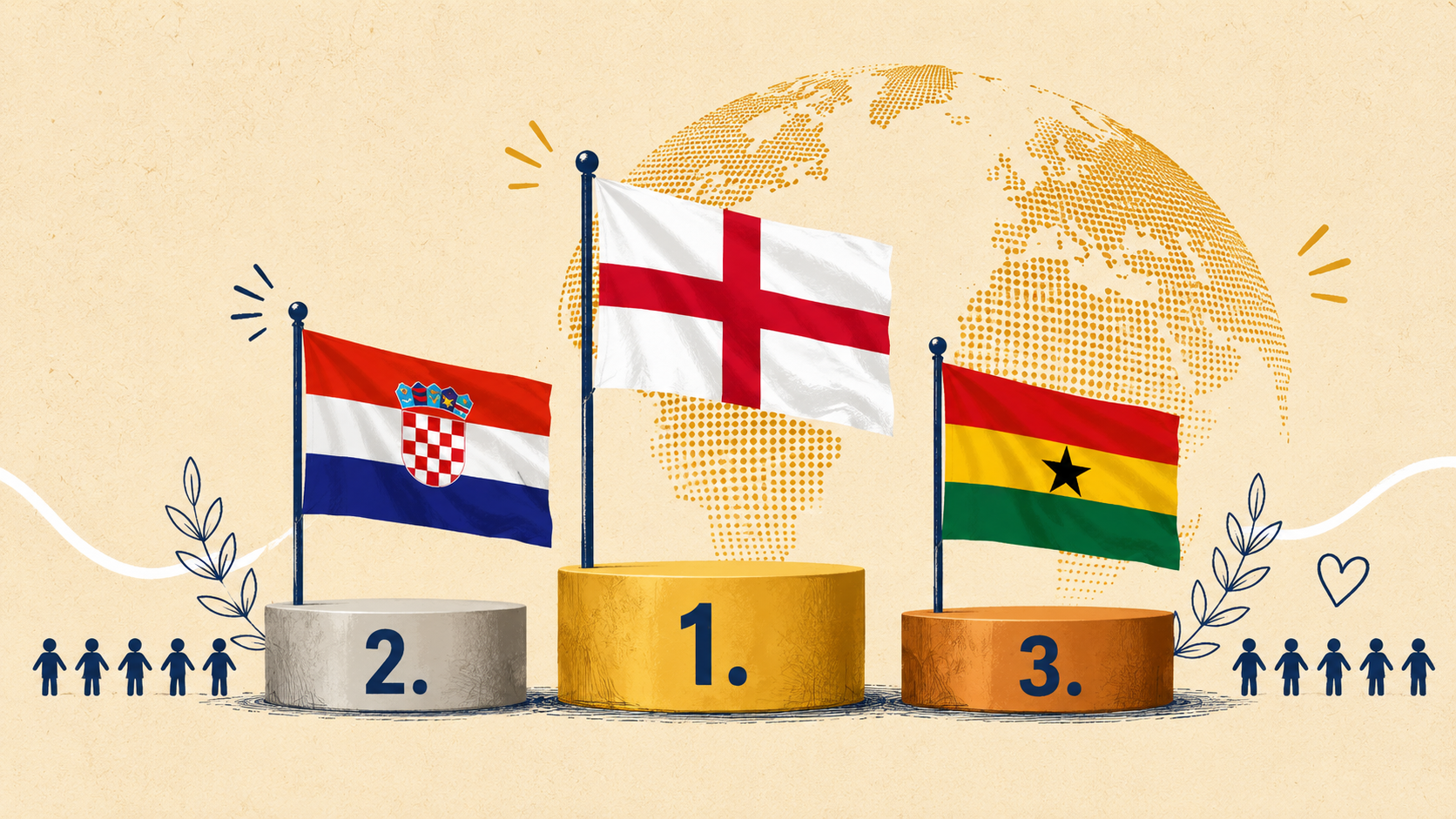
The Democracy World Cup 2026

What if the world cup were decided not by playing football but by the quality of each nation's democracy?

The 48 teams qualified for the World Cup football tournament 2026, that was held in Mexico, Canada and the U.S., did that on very different merits from those we use in the Democracy World Cup.

Our tournament was decided by free and fair elections, the rule of law, and comprehensive forms of participatory, direct and local democracy. Here is how such a contest would play out among 48 countries, through 12 groups and 104 matches, if democracy, not goals, determined the winners.

 
> Group Phase – expand/show less

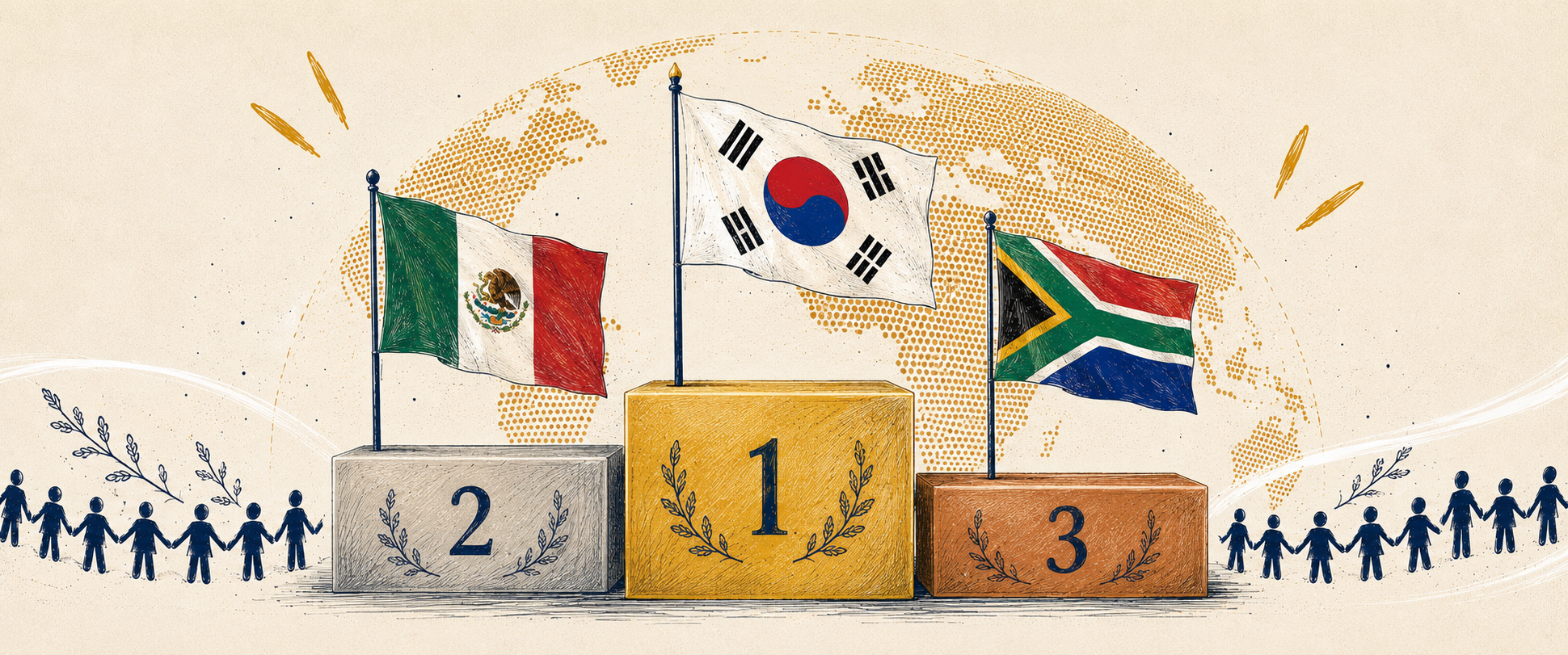
Group A: The Group of Democracy

Mexico, South Africa, South Korea, Czech Republic

In the World Cup, the most competitive group is called “The Group of Death.” When measuring our way, Group A is the “Group of Democracy”.


GruppeA.png

show more

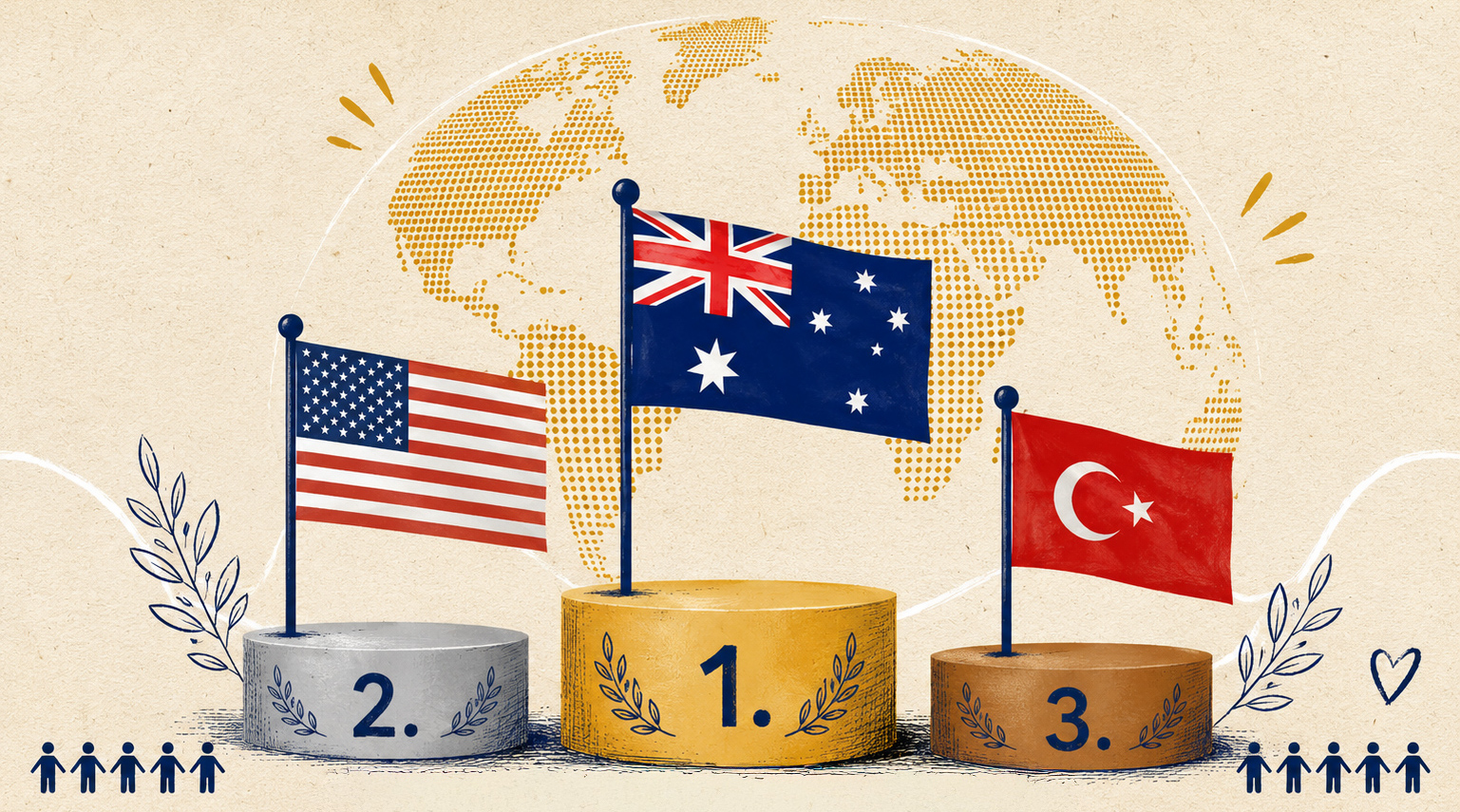
Group D: The Crisis Group

United States, Paraguay, Australia, Türkiye


GruppeD_2.jpg

show more

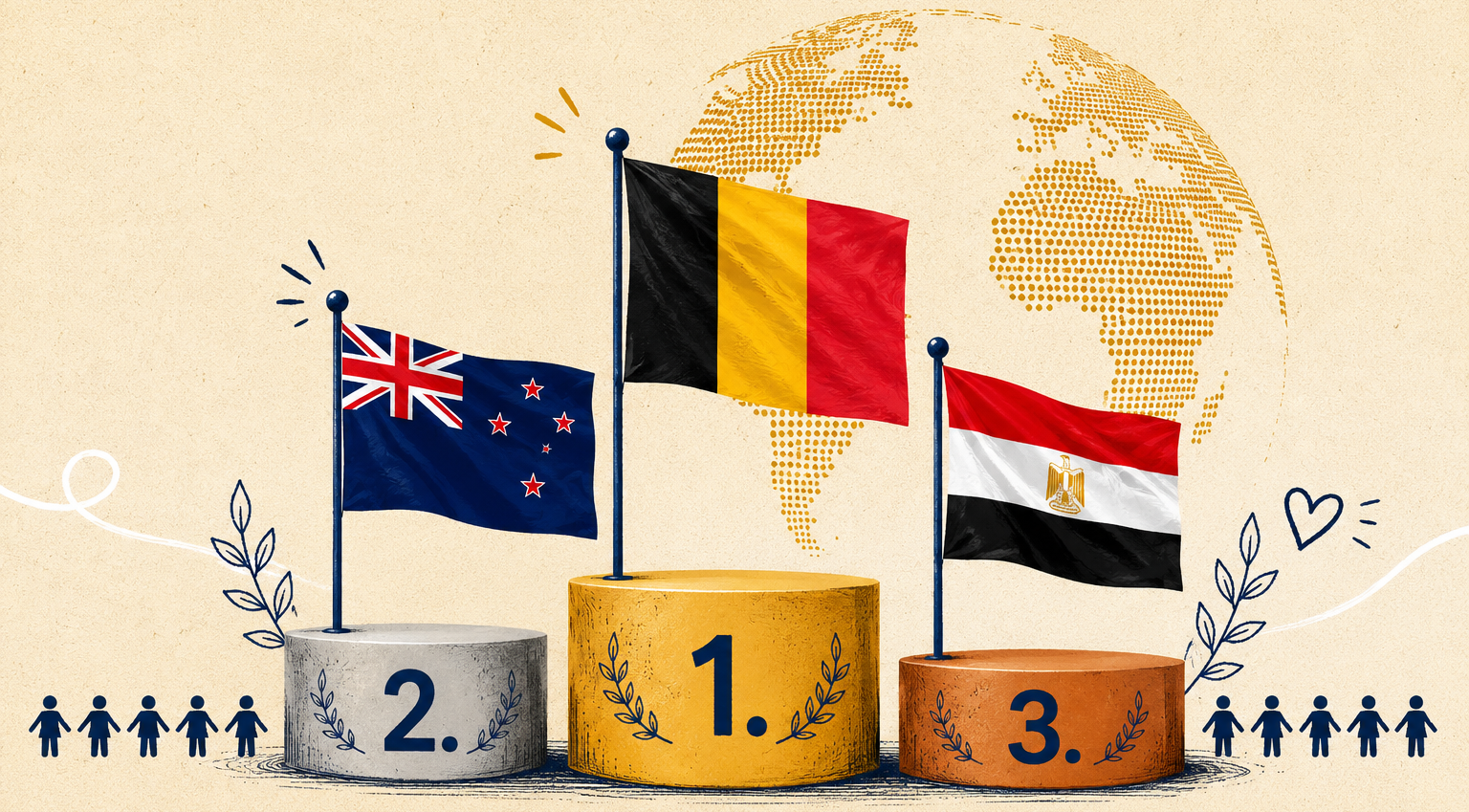
Group G: The Ancient Glory Group

Belgium, Egypt, Iran, New Zealand


GruppeG.png

show more

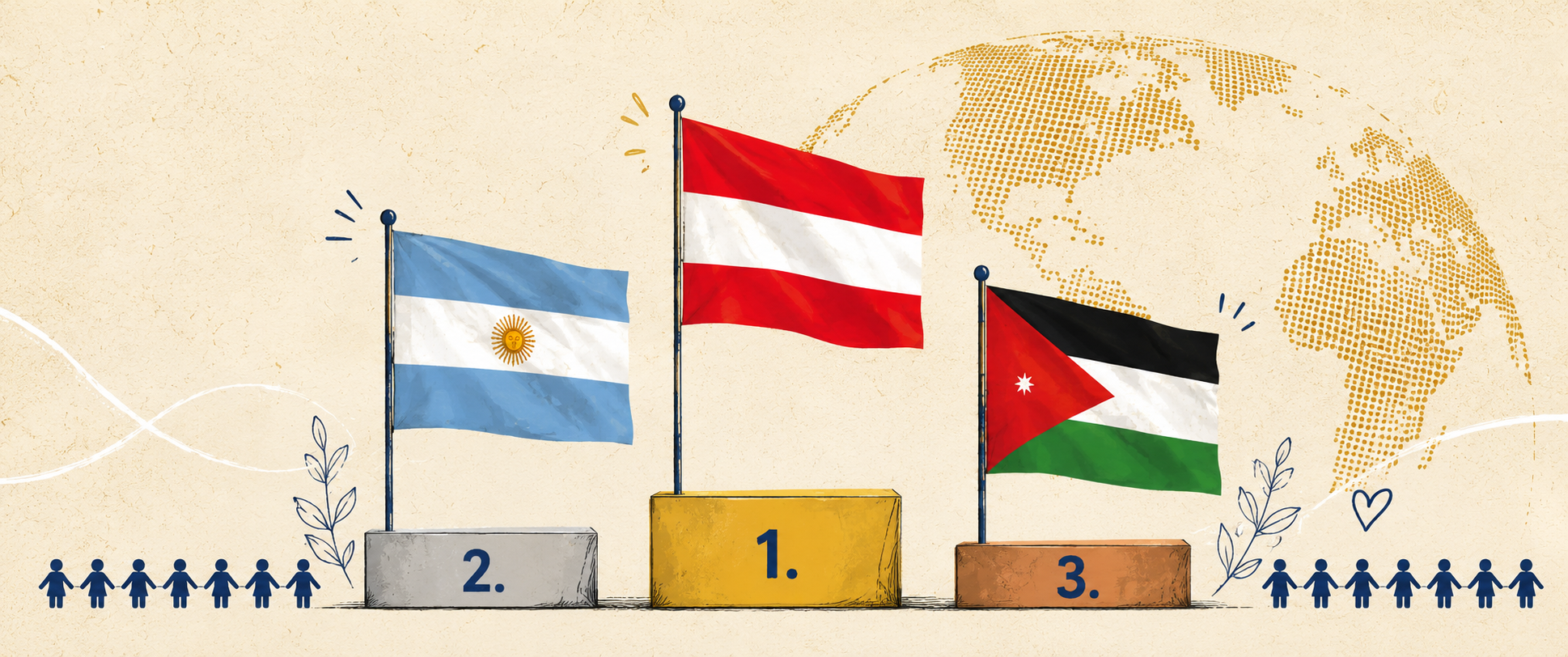
Group J: The Roller-Coaster Group

Argentinia, Algeria, Austria, Jordan


GruppeJ.png

show more

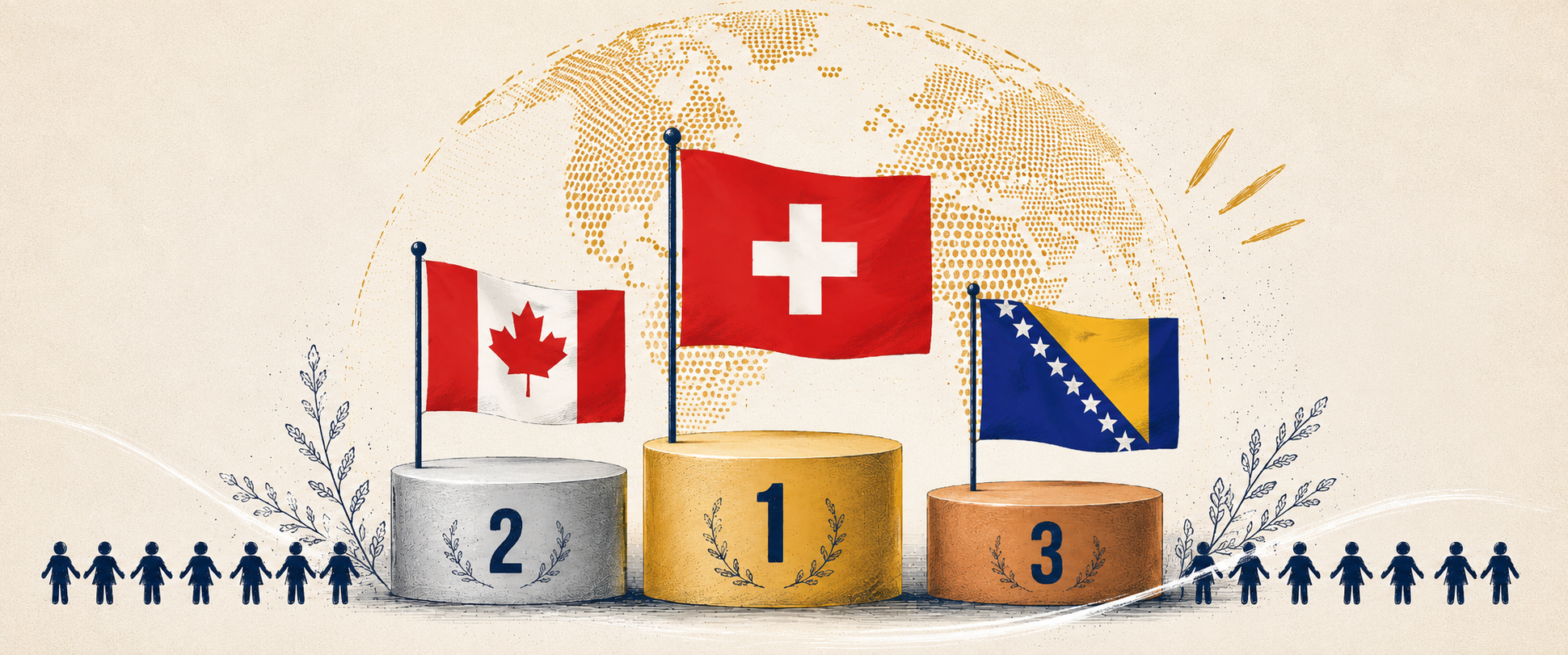
Group B: The Federalist Group

Canada, Bosnia and Herzegovina, Qatar, Switzerland


GruppeB.png

show more

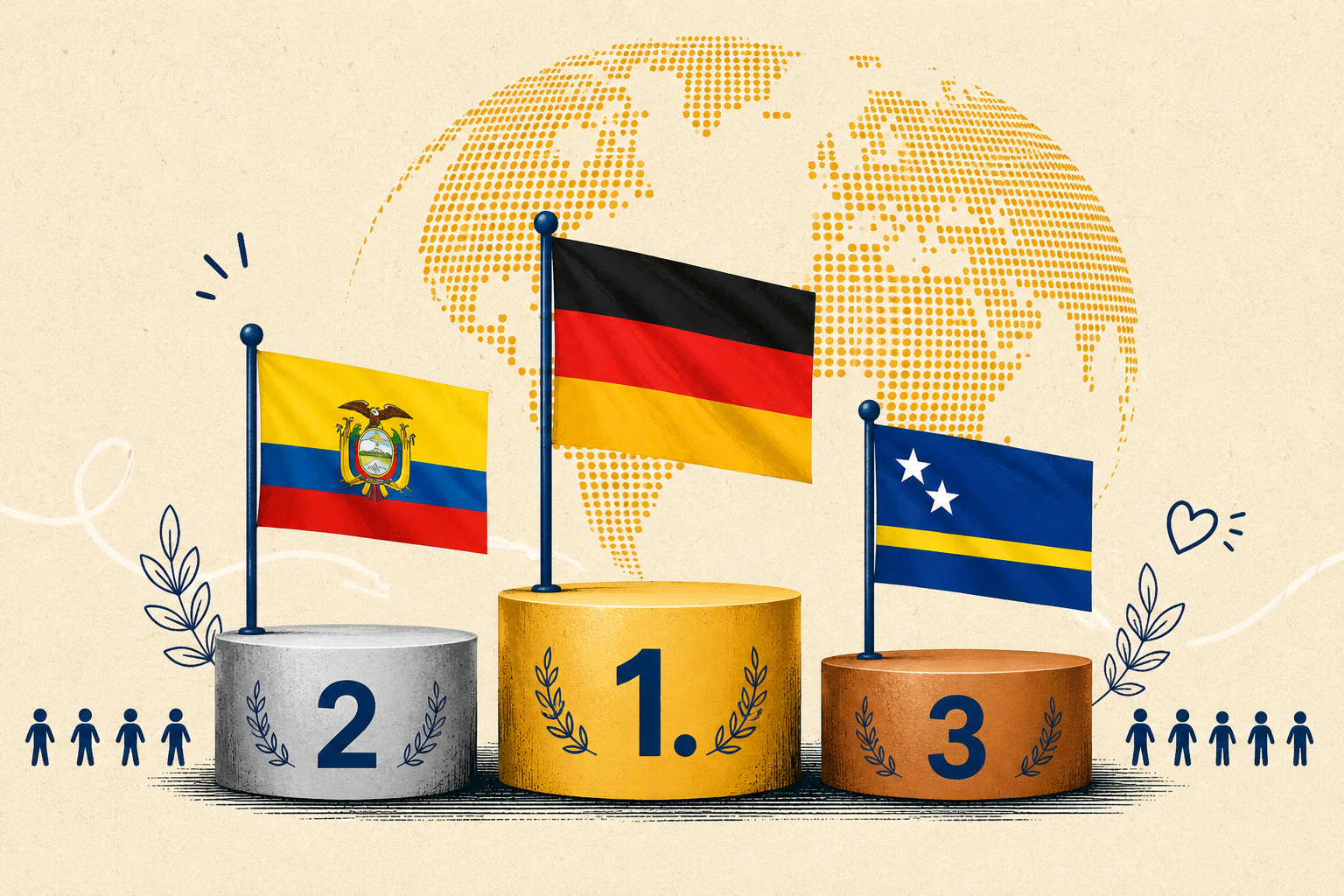
Group E: The Localist Group

Germany, Curaçao, Ivory Coast, Ecuador


GruppeE_richtig.png

show more

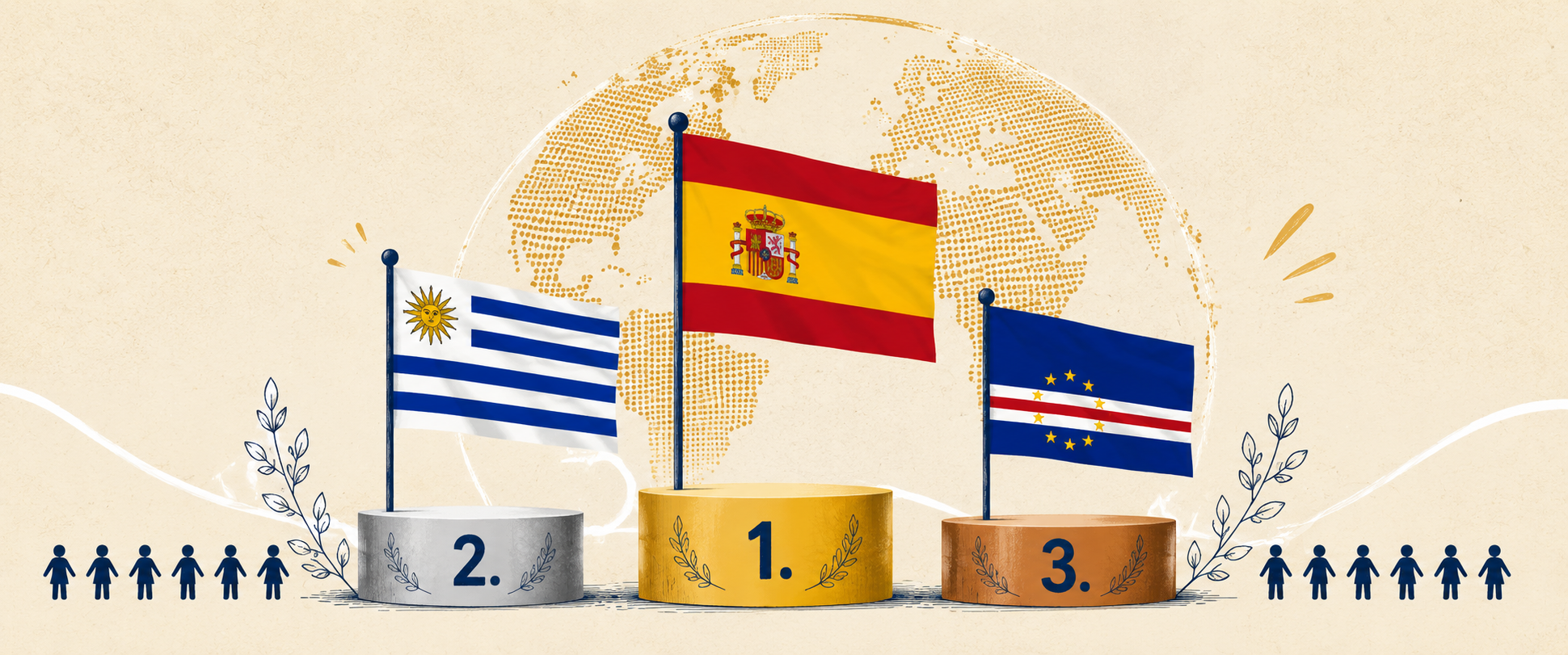
Group H: The Modernizer Group

Spain, Cape Verde, Saudi Arabia, Uruguay


GruppeH.png

show more

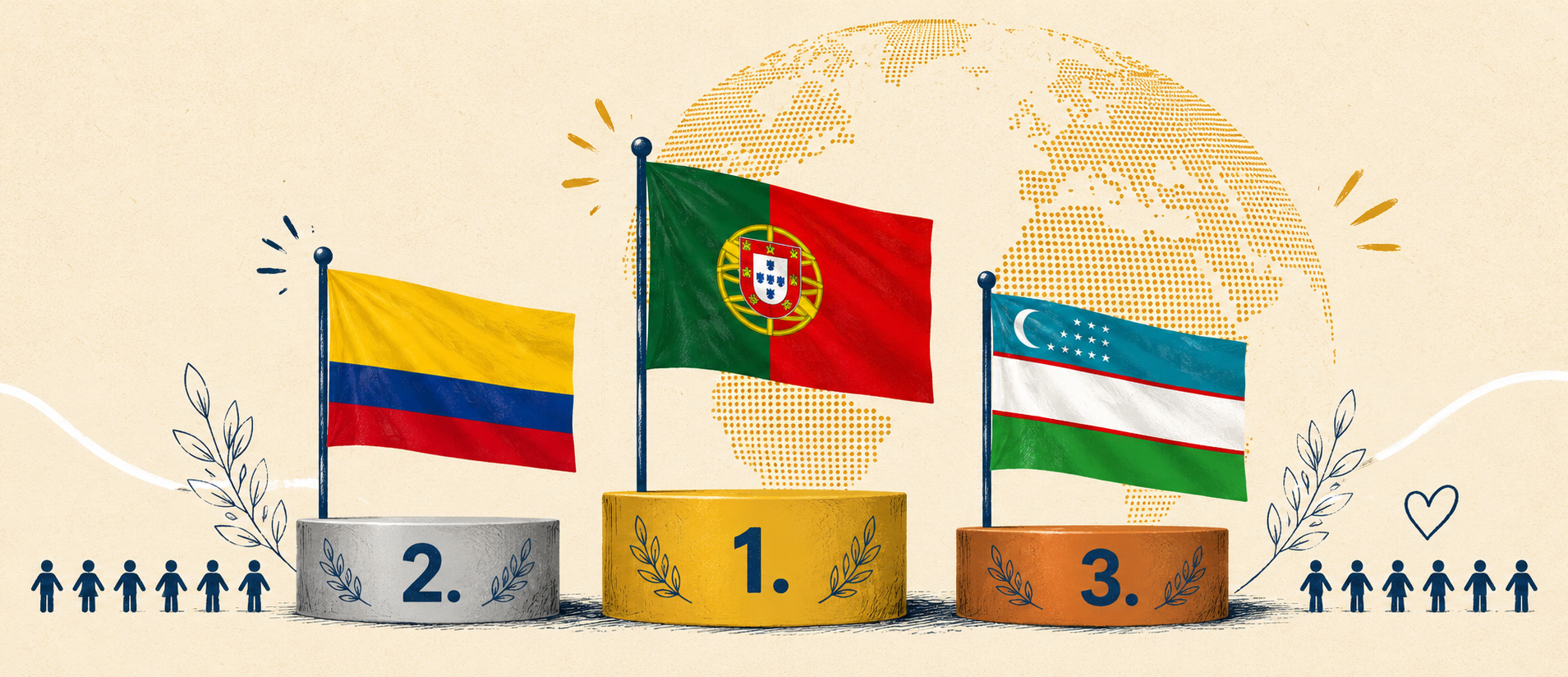
Group K: The Beginners Group

Portugal, DR Congo, Uzbekistan, Colombia


GruppeK.png

show more

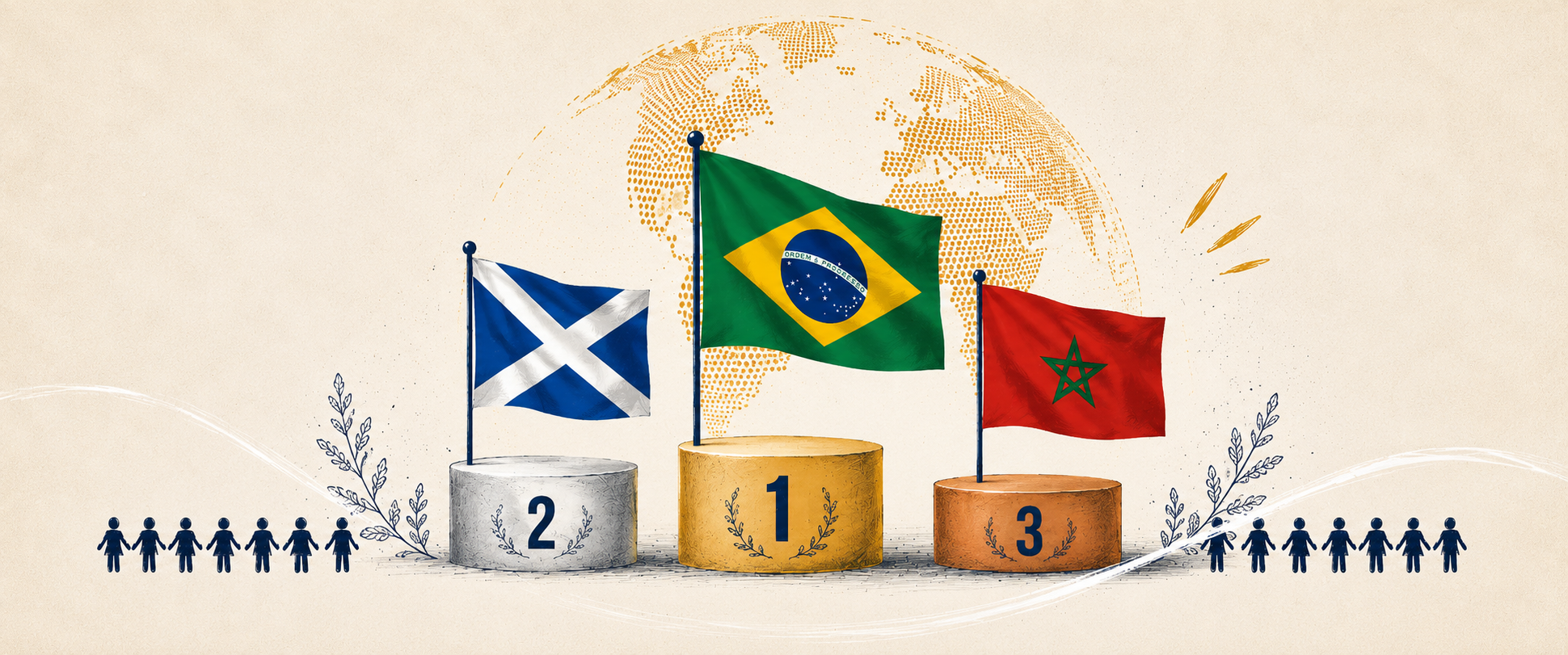
Group C: The Participatory Group

Brazil, Morocco, Haiti, Scotland


GruppeC.png

show more

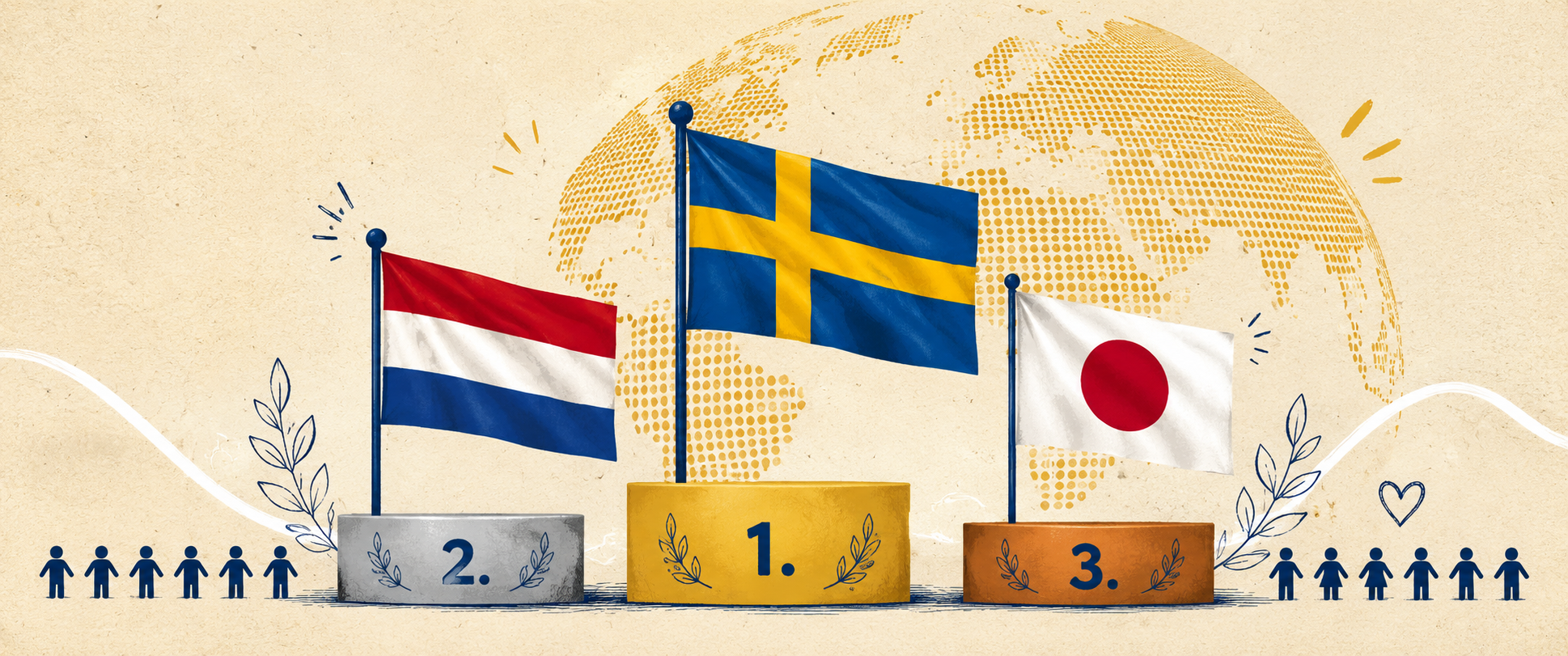
Group F: The Group of Doubters

Netherlands, Japan, Sweden, Tunisia


GruppeF.png

show more

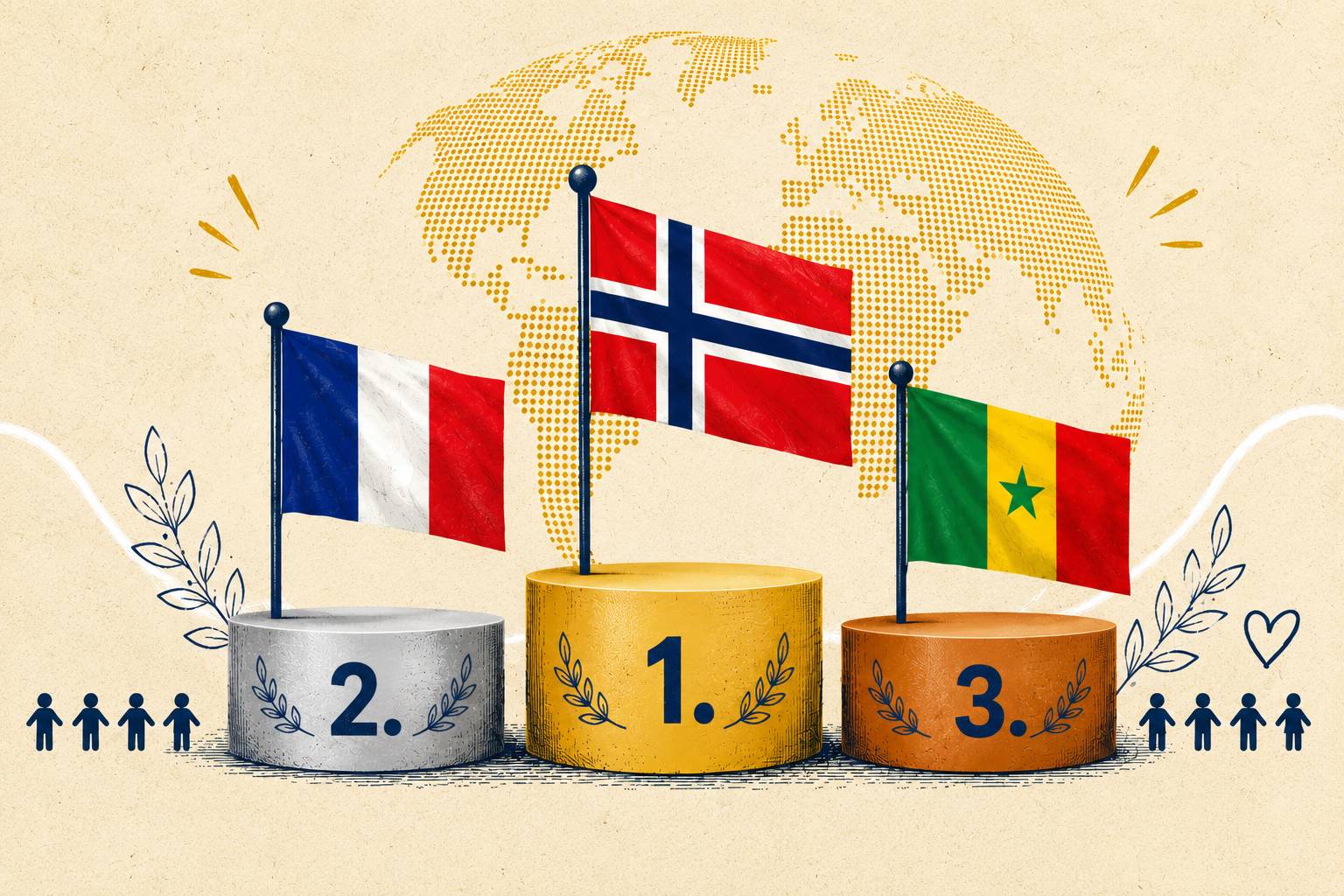
Group I: The Group of Progress

France, Senegal, Iraq, Norway


GruppeI.png

show more

Group L: The Midfielder Group

England, Croatia, Ghana, Panama


GruppeL.png

show more

Eight third-place finishers advance

To determine which eight third-place finishers secure a wildcard spot in the Round of 32, we have to look closely at the gap between stable representative nations with emerging local autonomy and those bogged down by institutional paralysis or centralized autocratic structures. In this tier of the tournament, the advancing teams are separated by their structural baseline of civil liberties and their active, constitutional efforts to push power down to the municipal level.

The powerhouses of this wildcard group are Japan and South Africa. While they lacked the flashy, cutting-edge direct democracy toolkits of their group winners, they boast institutional stability, efforts to overcome one-party regimes, and highly functional, transparent municipal bureaucracies.

Joining them are another trio of African overachievers: Cape Verde, Senegal, and Ghana. These three nations advance because they have spent the last few decades codifying decentralization into law—such as Ghana’s District Assembly system and Senegal’s "Acte III" reforms—giving local communities far more fiscal and political agency than standard developing nations.

Curaçao claims a spot due to its robust island-level self-governance, while Paraguay and Morocco squeeze through the door simply by maintaining functioning constitutional frameworks and basic local petition mechanisms that outclass the remaining competition.

Four Third-placed teames head home

Bosnia and Hervegovina (Group B) – Eliminated due to severe administrative fragmentation and ethnic veto gridlocks that paralyze citizen agency.​​​​​​​
Jordan (Group J) – Left behind due to heavily centralized executive and monarchical power that leaves little room for grassroots tools.
Uzbekistan (Group K) – Despite minor modern digital feedback upgrades, it remains too hyper-centralized to compete.
Egypt (Group G) – Finishes at the bottom of the wildcard tier due to a highly centralized state apparatus with minimal genuine participatory avenues.


> K.O. Phase – expand/show less
The football knockout bracket, decided instead by democratic quality.

From Social-Media-Experiment to international cooperation

The campaign reached people in different parts of the world and sparked agreement, dissent and further contributions. This also highlighted just how difficult it is to make comparisons between democracies: which criteria matter, whose knowledge is taken into account, and whose experiences are overlooked? The world cup thus gave rise to an international conversation about democracy.

STARTING POINT FOR INTERNATIONAL DIALOGUE

The feedback received from the Democracy World Cup has let to new contacts and concrete forms of cooperation. Together with International IDEA, we are currently preparing a regional dialogue forum in southern Africa. The aim is for people from civil society, the media, academia, youth organisations and the diplomatic community to share their experiences with one another and highlight different perspectives on democratic development. The Democracy World Cup thus serves as a starting point for a broader question: how can international institutions listen without hastily categorising local experiences into existing frameworks?

DEMOCRATIC PROCESSES OF LISTENING AND LEARNING

Democracies have elections, parliaments, referendums and participatory processes. However, there is often a lack of a reliable structure through which the experiences of the general public can be gathered, linked together, remembered and translated into institutional learning. Based on the discussions of recent months, we are therefore developing an initial approach to democratic processes of listening and learning. At the heart of this are the hopes, needs, responsibilities and abilities of different people. The initial elements are to be tested in practice and further developed collaborativelyfor example within the planned dialogue forum in southern Africa or within the upcoming Global Forum on Modern Direct Democracy in Botswana this October.

INVITATION TO DEMOCRACIA VIVA IN BUENOS AIRES

The questions posed by the Democracy World Cup have also sparked interest in Latin America. Asuntos del Sur has invited the Swiss Democracy Foundation to present the approach at Democracia VIVA in Buenos Aires and to explore it further together with democracy practitioners. The focus is less on the tournament itself and more on the questions of how public communication can give rise to new relationships, shared learning and concrete cooperation. It remains to be seen wether it will be possible to attend in person this year. Nevertheless, the invitation represents an important next step.